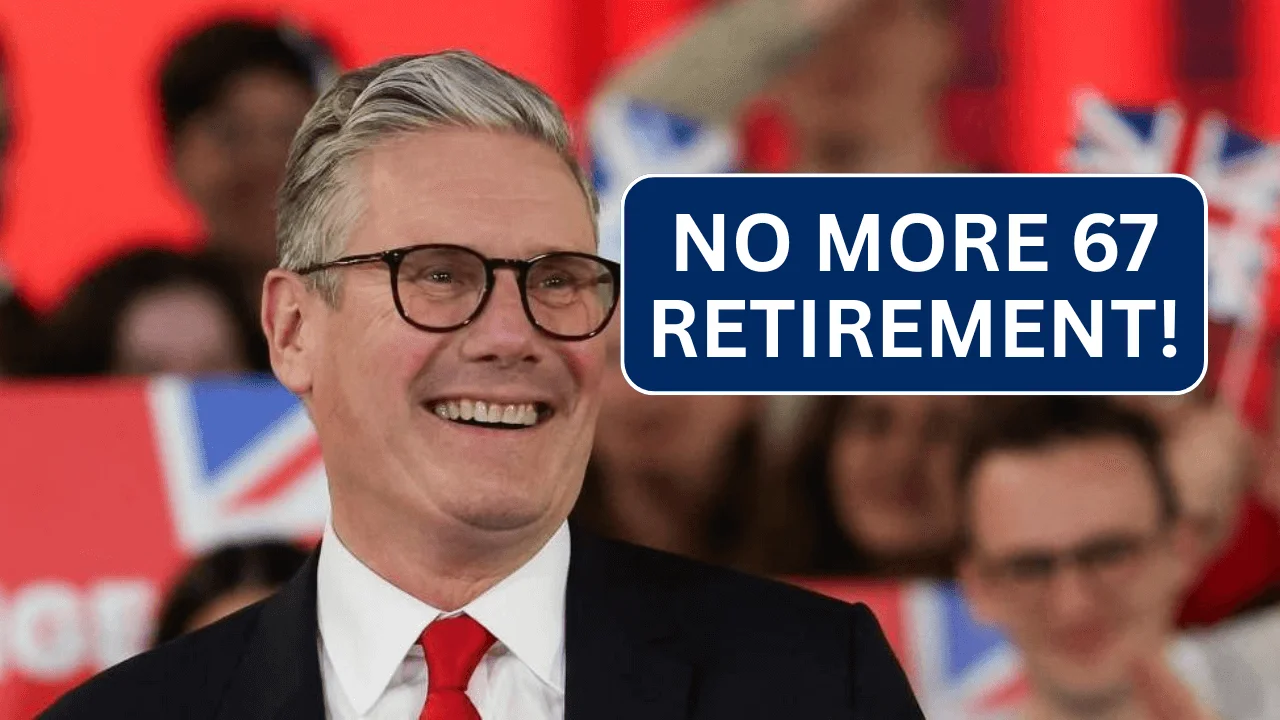
For decades, many people in the UK planned their retirement around one key milestone: age 67. It became the benchmark for when work would wind down and the next chapter of life would begin.
But recent confirmation from the UK Government has made one thing clear — retirement planning is changing. The State Pension age is under review and future increases are part of a longer‑term strategy tied to life expectancy and public finances.
So what does this mean in practice? Is the pension age definitely rising? Who will be affected? And how should you prepare if you’re still years away from retirement?
Here’s a clear, balanced and practical guide to the new State Pension age landscape in the UK.
What Is the State Pension Age
The State Pension age is the age at which you can begin receiving your State Pension.
It is not necessarily the age you must stop working — many people continue beyond it — but it determines when government pension payments start.
The State Pension age has gradually increased over time due to:
Rising life expectancy
Economic pressures
Sustainability of public finances
Where Things Stand Right Now
Currently, the State Pension age is moving towards 67 for both men and women.
The increase to 67 is being phased in gradually, depending on your date of birth.
However, the Government has already confirmed that further increases are planned in the coming years, subject to periodic review.
That is where the phrase “goodbye to retiring at 67” comes from — for younger generations, 67 may not be the final benchmark.
Why the Pension Age Is Rising
The UK, like many developed countries, faces a demographic shift.
People are living longer. That is positive news in many ways, but it also means pensions must be paid for longer periods.
When the State Pension was introduced, average life expectancy after retirement was far lower than it is today.
To maintain affordability, successive governments have linked pension age changes to life expectancy projections.
The Department for Work and Pensions reviews this regularly.
The Next Confirmed Increase
Legislation has already set out that the State Pension age will rise to 68.
The exact timing depends on review outcomes, but it is expected to happen earlier than originally planned, affecting people currently in their 40s and 50s.
Younger workers should assume that 68 — or possibly higher — could be their qualifying age.
This does not mean retirement is impossible before that age, but State Pension payments would not begin until then.
Who Will Be Affected Most
The biggest impact will fall on:
People currently under 55
Mid‑career workers
Those without substantial private pension savings
If you are already near retirement age, your qualifying date is unlikely to change significantly.
However, younger workers should build flexibility into long‑term planning.
How This Affects Retirement Planning
If the State Pension age rises to 68, you may need to:
Work longer
Increase private pension contributions
Build additional savings
Adjust retirement expectations
The State Pension is designed to provide a foundation, not a complete retirement income.
Many people rely on workplace pensions alongside it.
Can You Retire Earlier Than the State Pension Age
Yes.
You can retire from work earlier if you have sufficient private income.
However, you will not receive your State Pension until you reach the official age.
For example, if the qualifying age is 68 and you stop working at 65, you would need to fund three years independently.
What About the Triple Lock
The triple lock remains in place for now.
This policy ensures that State Pension payments increase each year by the highest of:
Inflation
Average earnings growth
2.5%
While the triple lock affects how much pensioners receive, it does not determine the qualifying age.
The age question is a separate policy decision.
Will the Pension Age Go Beyond 68
Future increases are possible.
The Government periodically reviews pension age in line with life expectancy data.
However, any changes require legislation and public consultation.
It is unlikely that sudden changes would apply without notice.
Historically, increases are announced many years in advance.
How to Check Your Own Pension Age
You can check your personal State Pension age online through official Government tools.
This will show:
Your qualifying age
Your projected weekly payment
Your National Insurance record
Knowing your specific date is more useful than relying on general headlines.
Impact on Low‑Income Workers
Rising pension ages can affect those in physically demanding jobs more heavily.
There has been debate about whether certain groups should receive earlier access.
At present, the State Pension age applies broadly across the population.
Means‑tested benefits such as Pension Credit remain available only after reaching qualifying age.
What This Means for Younger Generations
If you are in your 20s or 30s, retirement at 67 may not be realistic.
Planning for a later pension age is prudent.
This could mean:
Maximising workplace pension contributions
Taking advantage of employer matching
Reviewing savings annually
Considering flexible retirement options
The earlier you plan, the more adaptable you can be.
The Financial Reality
The State Pension represents a significant portion of public spending.
As the number of retirees grows, maintaining balance between taxpayers and pensioners becomes more challenging.
Raising the qualifying age spreads cost over a longer working lifetime.
While unpopular, governments argue it is necessary for long‑term sustainability.
Common Questions
Is the State Pension age definitely 68
Legislation sets out a planned rise, subject to review.
Will it go higher than 68
Future increases are possible but would be announced well in advance.
Can I access my State Pension early
No, early access is not permitted under current rules.
Does this affect private pensions
No, private pension access ages are set separately, though they may also rise over time.
How to Prepare Now
If retirement feels further away than expected, focus on what you can control:
Review your National Insurance record.
Consider voluntary contributions if you have gaps.
Increase workplace pension contributions where possible.
Build emergency savings alongside pension planning.
Small adjustments over decades make a significant difference.
Key Points to Remember
The State Pension age is rising gradually.
Future increases to 68 are planned.
Younger workers are most affected.
Retirement age and pension age are not the same.
Advance notice is always provided for changes.
Final Thoughts
Saying goodbye to retiring at 67 may feel unsettling, especially for those who built plans around that milestone. However, pension policy has evolved gradually over time, reflecting longer lifespans and changing economic realities.
The State Pension remains a central part of retirement income in the UK. But it is increasingly clear that it cannot be the only pillar people rely on.
Whether your qualifying age is 67, 68 or potentially higher in future decades, the key is preparation. Understanding your entitlement, reviewing your savings strategy and planning for flexibility can turn uncertainty into opportunity.
Retirement is no longer defined by a single age. Instead, it is becoming a personalised transition shaped by health, savings and lifestyle goals.
The earlier you start planning, the more choices you keep open — regardless of where the official pension age ultimately lands.