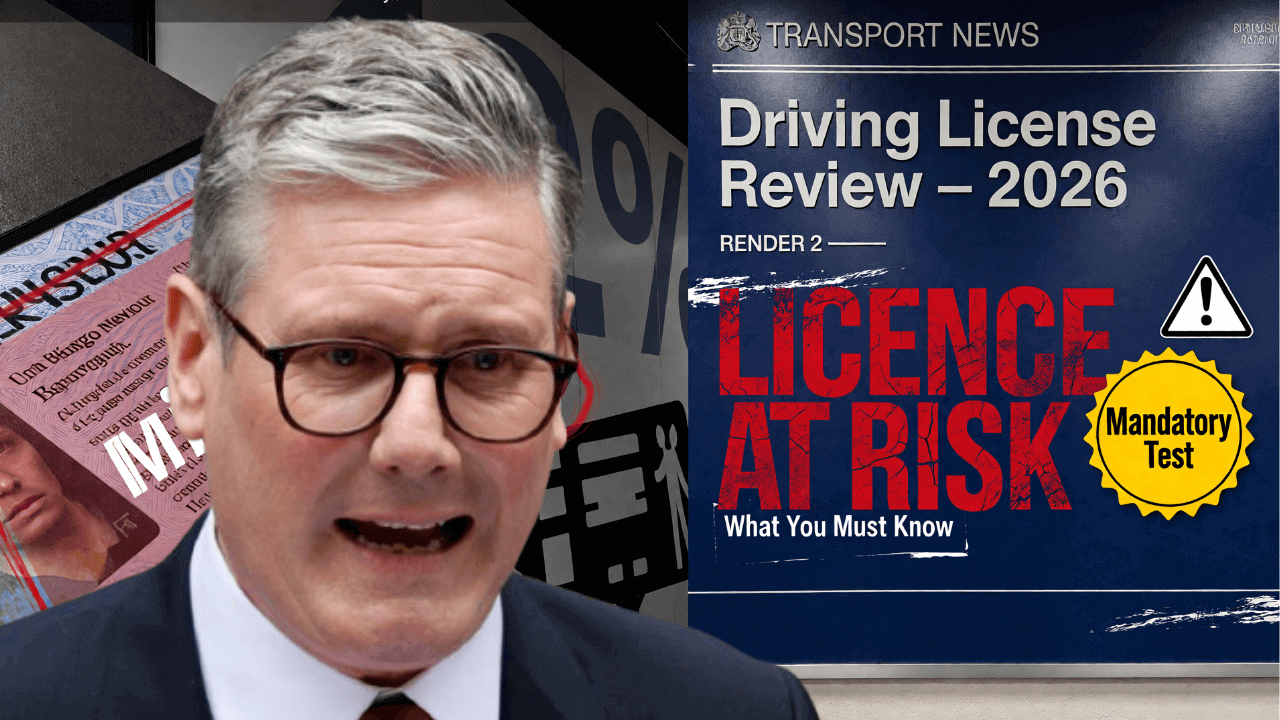
Headlines suggesting that drivers over 65 could face a mandatory driving test in 2026 have understandably caused concern. For many people across the UK, driving is more than convenience — it represents independence, freedom and connection to family, healthcare and community life.
But what exactly is happening? Are all over‑65s being forced to retake their driving test? Is every licence at risk? Or are the changes more targeted and specific?
Here’s a clear, balanced and practical guide to what is known, what is changing and what older drivers should realistically expect in 2026.
Why Older Driver Rules Are Being Reviewed
Driving licence policy in Great Britain is managed by the Driver and Vehicle Licensing Agency, commonly known as the DVLA.
Over time, the DVLA reviews:
Road safety statistics
Medical evidence
Age‑related driving data
Public health trends
As life expectancy increases, more people are driving into their 70s and 80s. While many older motorists remain perfectly safe and competent drivers, age can increase the likelihood of certain health conditions that affect driving ability, such as reduced eyesight, slower reaction times or cognitive decline.
The 2026 discussion centres on whether additional safeguards should apply from age 65 onwards.
Is There Really a Mandatory Test at 65?
At present, there is no blanket law requiring all drivers to retake their driving test at 65.
However, proposals and consultations have explored whether:
Medical self‑certification should be strengthened
Vision testing should be more formalised
Cognitive screening may be required in certain cases
Targeted retesting could apply where concerns arise
The key word here is targeted.
A universal retest for everyone over 65 has not been formally introduced nationwide. Instead, the focus is on identifying drivers whose medical conditions may affect road safety.
Current Rules for Older Drivers
Under existing law:
Drivers must renew their licence at age 70.
After 70, renewal is required every three years.
Drivers must confirm they meet medical standards.
This process involves self‑declaration rather than automatic testing.
If a driver has a notifiable medical condition, they must inform the DVLA. Failure to do so can result in fines or invalid insurance.
What Could Change in 2026
The 2026 updates being discussed may involve:
Stronger eyesight verification
More detailed health declarations
Greater GP reporting clarity
Enhanced review powers for the DVLA
In certain situations, drivers may be required to undergo:
A practical driving assessment
A medical fitness review
An eyesight test at a certified provider
This would likely apply where red flags are raised, not automatically to everyone aged 65 and above.
Why Age 65 Is Being Mentioned
Age 65 is often seen as a transitional age in policy discussions because it coincides with:
Retirement transitions
Increased prevalence of health conditions
Insurance risk category changes
However, many road safety statistics show that younger drivers are statistically more likely to be involved in collisions than older drivers.
This is why policymakers are cautious about imposing universal age‑based retesting.
Vision Standards Remain Critical
One consistent factor in driving safety is eyesight.
All UK drivers must be able to read a number plate from 20 metres. If corrective lenses are required, they must be worn while driving.
Any formal testing in 2026 would likely prioritise eyesight checks rather than full retests.
Regular eye examinations are strongly recommended for all drivers over 60.
What Could Put a Licence at Risk
A licence could be reviewed or revoked if:
A serious medical condition is not reported
A GP flags significant driving concerns
A driver fails an eyesight requirement
Unsafe driving behaviour is documented
Age alone does not automatically remove a licence.
Each case is assessed individually.
Medical Conditions That Must Be Reported
Drivers must notify the DVLA if they develop certain conditions, including:
Epilepsy
Serious heart conditions
Advanced dementia
Uncontrolled diabetes
Significant visual impairment
The 2026 discussions aim to strengthen compliance with these reporting obligations.
The Role of the DVA in Northern Ireland
In Northern Ireland, licensing is handled by the Driver & Vehicle Agency.
While rules are broadly similar, administrative processes may differ slightly.
Drivers should always check guidance relevant to their home region.
Insurance Implications
If additional testing requirements are introduced, insurance providers may request confirmation of compliance.
Failing to meet new rules could affect policy validity.
However, passing any required checks should not automatically increase premiums.
Insurers focus primarily on risk and driving record rather than age alone.
Public Reaction to the Proposal
Any suggestion of mandatory testing for older drivers generates strong opinions.
Supporters argue:
Road safety must come first.
Regular checks provide reassurance.
Medical oversight reduces accident risk.
Critics argue:
Many older drivers are safer than younger drivers.
Mandatory testing could feel discriminatory.
Loss of licence impacts rural residents heavily.
The debate reflects broader societal questions about balancing independence with public safety.
Rural Impact Concerns
In rural areas, public transport options can be limited.
Losing a driving licence may significantly affect:
Access to healthcare
Shopping
Social connections
Community engagement
Policymakers are aware that removing driving privileges can have social consequences beyond mobility.
What Over‑65 Drivers Should Do Now
There is no immediate requirement to book a driving test solely because of age.
However, sensible steps include:
Booking regular eye tests
Reviewing medications for side effects
Informing the DVLA of any relevant medical condition
Considering voluntary driving assessments if concerned
Voluntary assessments are available through independent organisations and can offer reassurance without automatically affecting licence status.
How Voluntary Assessments Work
A voluntary driving assessment typically includes:
A short on‑road drive
Observation by a qualified assessor
Feedback on strengths and improvement areas
These assessments are advisory, not pass‑fail exams.
Many older drivers find them helpful and confidence‑boosting.
What Is Not Happening
There is no confirmed nationwide blanket retest at age 65.
There is no automatic licence cancellation based on age alone.
There is no mass revocation of older drivers’ licences in 2026.
Headlines can sometimes amplify proposals beyond confirmed policy.
The Bigger Picture
The UK’s ageing population means more older drivers than ever before.
Modern vehicles are safer, and many drivers remain capable well into later life.
The aim of any policy update is likely to focus on:
Targeted medical oversight
Improved reporting
Fraud prevention
Road safety consistency
Not indiscriminate licence removal.
Key Points to Remember
No automatic retest at 65 has been formally introduced.
Health and eyesight standards remain central.
Licences can only be reviewed on individual grounds.
Renewal at 70 and every three years after continues.
Staying proactive about health protects your licence.
Final Thoughts
The suggestion that over‑65 drivers face a mandatory 2026 test has understandably caused anxiety. For many, driving represents independence, identity and daily practicality.
At this stage, there is no confirmed blanket retest for all drivers over 65. Instead, the focus appears to be on stronger medical oversight and targeted reviews where safety concerns exist.
If you meet medical standards, maintain good eyesight and drive responsibly, your licence is not automatically “at risk.”
Staying informed, attending regular health checks and complying with reporting requirements remain the best way to ensure you can continue driving safely and confidently in the years ahead.